Introduction: “Lalach Ki Saza” When Greed Blinds the Heart
Have you ever wanted something so badly that you forgot what truly matters?
Greed is quiet at first. It whispers. It tells you to take a little more. It convinces you that you deserve more than others. But slowly, it grows. The excessive growth of the plant results in the complete destruction of everything. The ancient tale of Lalach Ki Saza provides a narrative that demonstrates the ongoing battle between selfishness and affection.
The lesson contains importance for all students and professionals, and dreamers who want to achieve their goals. The poor woodcutter discovers hidden treasure in this story. The upcoming events will demonstrate how selfishness and contentment lead to different outcomes than the effects of greed. The complete destruction of the material world occurs because of greed, whereas gratitude brings about peaceful existence.
Let’s begin.
: لالچ کی سزا
ایک مرتبہ کا ذکر ہے کہ ایک غریب لکڑہارے کو جنگل میں لکڑیاں کاٹتے ہوئے درختوں کے جھنڈ میں کوئی چیز نظر آئی۔اُسکے قریب جا
کر دیکھا تو وہ پتھر کا ایک بت تھا۔لکڑہارے نے اُس پتھر کو ہٹایا تو وہاں ایک چھوٹا ساسوراخ نظر آیا۔لکڑہارے نے سوراخ کے ارد گرد سے
مٹی ہٹائی تو اُسے ایک بہت بڑا خزانہ نظر آیا۔لکڑہارا اتنے بڑے خزانے کو تنہا نہیں اٹھا سکتا تھا،چنانچہ اُس کو ڈھانپ کر واپس اپنے گھر
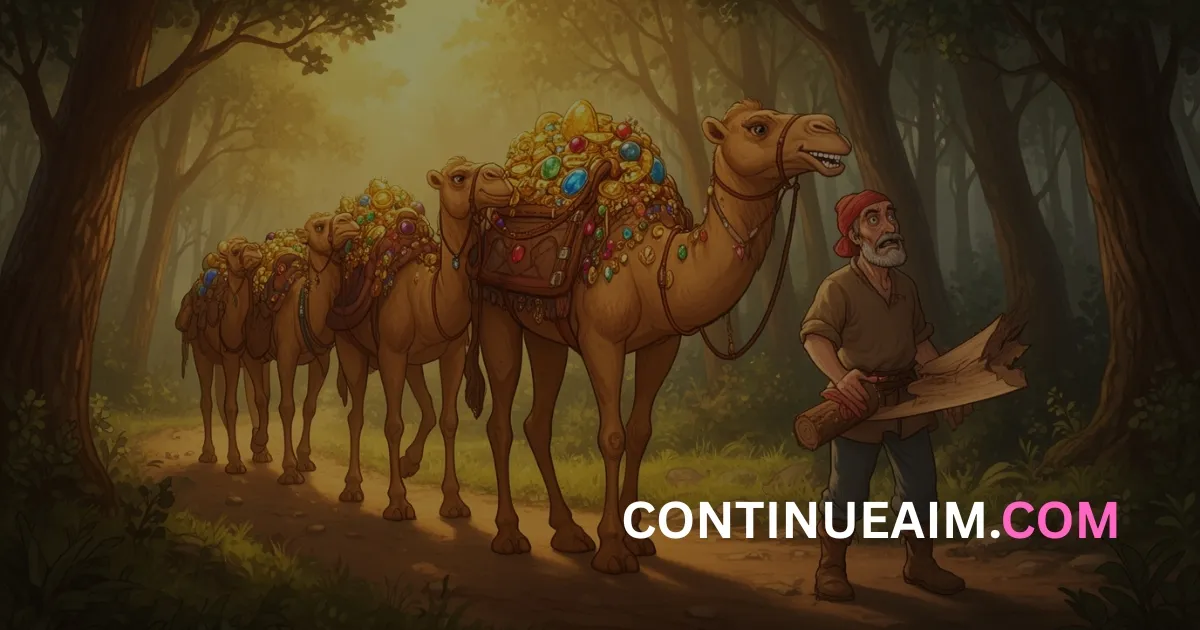
کی طرف چل دیا۔راستے میں اُسکی ملاقات ایک سوداگر سے ہوئی جو کہیں سے اپنا مال فروخت کرکے آرہا تھا اُسکے ہمراہ چھ اونٹ تھے۔
لکڑہارے نے سوداگر سے کہا: مجھے جنگل میں بہت بڑا خزانہ ملا ہے اور میں تمہیں صرف ایک شرط پر اُس جگہ لے جاؤں گا۔سوداگر نے
بڑی بے صبری سے کہا:”جلدی بتاؤ،میں تمہاری ہر شرط ماننے کو تیار ہوں“۔لکڑہارے نے کہا؛ جتنے اونٹ اُس خزانے میں سے بھرو ،اُن
میں سے آدھے مجھے دے دو گے“سوداگر جھٹ سے بولا؛میں تمہیں آدھے اونٹ دے دوں گا تم مجھے وہاں لے چلو۔“ لکڑہارا رضا مند ہوگیا
اور اُسے جنگل میں لے گیا۔لکڑہارے نے سوداگر کو خزانہ کی جگہ دکھائی اور سارے اونٹوں پر خزانہ لاد دیا۔
اُس جگہ سے ایک چھوٹی سی
ڈبی میں قیمتی لعل بھی ملا جو لکڑہاڑے نے اپنی جیب میں رکھ لیا۔حسب وعدہ سوداگر نے خزانے کے تین اونٹ لکڑہارے کے حوالے
کردئیے ۔کچھ دور جا کر سوداگر کو خیال آیا کہ خوامخواہ نصف حصہ لکڑہاڑے کو دے دیا۔اگر اُسے کم اونٹ بھی دیتا تو تو یہ مان جاتا۔یہ
سوچ کر اُس نے لکڑہاڑے سے کہا؛ اے پیارے لکڑہارے ،بے شک میں نے تمہیں آدھے اونٹ دے دئیے ہیں مگر آپ کیلئے تو دو اونٹ بھی
کافی ہیں ۔اگر آپ مجھے ایک اونٹ مزید دے دو تو آپ کی مہربانی ہوگی“۔لکڑہارے نے کہا؛”جناب آپ ایک اونٹ مجھ سے لے سکتے ہیں
،میرے لئے تو دو بھی کافی ہیں،۔سوداگر نے اونٹ ملنے پر اُسکا شکریہ ادا کیا مگر لالچ نے اُسے چین نہ لینے دیا تھوڑی دور جانے کہ بعد
سوداگرنے پھر لکڑہارے سے کہا”باباجی! آپ تو درویش آدمی ہیں اور میں ٹھہرا دنیا کا کتا۔باقی دو اونٹ بھی مجھے دے دیں،میرے چھوٹے
چھوٹے بچے ہیں،آپکو دعائیں دیں گے۔لکڑہارے نے کہا کہ ”میرے بھائی !اگر تو میں نے تمہیں باقی کے دواونٹ بھی دے دئے تو میرے پاس
کیارہ جائے گا“ سوداگر نے اُسے جواب دیا؛ میں آپ کو کچھ رقم دیتا ہوں یہ آپ کیلئے کافی ہوگی“ لکڑہارے نے وہ دو اونٹ بھی سوداگر کو
دے دئیے۔سوداگر میں لالچ کی انتہا ابھی بھی ختم نہ ہوئی تھی۔اُس نے سوچا کہ کیوں نہ لکڑہارے سے وہ رقم بھی واپس لے لے اور جنگل
میں دفن باقی خزانہ بھی حاصل کر لیا جائے۔یہ سوچ کروہ خزانے کے چھ اونٹ اپنے نوکر کو دے کر خزانے کی تلاش میں جنگل میں نکل
گیا۔خاصی دیر تک تلاش کرنے کے بعد بھی اُسکو خزانہ نہ ملا۔تھک ہار کر وہ ایک درخت کے نیچے بیٹھ گیا کہ ایک شیر اُدھر آنکلا۔سوداگر
بھاگنے کی کوشش کی مگر شیر نے ایک ہی چھلانگ لگا کر سوداگر کو دبوچ لیا

اور اُس کے ٹکڑے ٹکڑے کردئیے۔سوداگر کا لالچ اُسے لے
ڈوبا جس سے اُس کی جان چلی گئی اور اُس کا مال و اسباب بھی دنیا میں ہی رہ گیا۔
The Poor Woodcutter and the Hidden Treasure
The woodcutter spent his life as a poor man who worked in forests during ancient times. The man lived a simple life. He cut wood, which he sold to buy food for his family. He lived with few possessions,s but he was able to survive. The man found an object at the wood cutting site where he worked. A stone idol lay half-buried in the ground. He moved the stone out of curiosity and discovered a small hole that existed underneath it.
He cleared away all the dirt that surrounded the area.
The first discovery that he made startled him.
A massive treasure remained hidden beneath the ground.
This location contains a treasure which includes gold and jewels, and other treasures of unknown value. The woodcutter faced a challenge where he needed to manage all tasks by himself. The treasure was too heavy for him to handle. After he covered the treasure, he walked home. He planned to come back with help.
The moment held great significance for him.
He avoided becoming greedy. He maintained his sanity. He remained composed.
His calmness brought him safety.
The Merchant Enters: Where Greed Begins
On his way home, the woodcutter met a wealthy merchant returning from trade. The merchant had six camels loaded with goods.
The woodcutter made an offer.
“If I show you a treasure in the forest, you must give me half of whatever you load on your camels.”
The merchant agreed immediately. He was excited. His eyes shone with desire.
They went back to the forest. The merchant saw the treasure and loaded all six camels with gold and valuables.
As promised, he gave three camels to the woodcutter.
But greed does not stop.
It grows.
After walking some distance, the merchant thought:
“Why did I give him half? He is just a poor man. He would have accepted less.”
Greed had entered his heart.
The Slow Poison of Greed
The merchant went back to the woodcutter.
“You are a simple man,” he said. “Two camels are enough for you. Please give me one back.”
The woodcutter agreed kindly.
But the merchant’s greed still burned.
Soon, he returned again.
“You are a saintly man,” he said. “I have children to feed. Give me the remaining two camels. I will give you some money instead.”
The woodcutter hesitated but agreed again.
Now the merchant had all six camels.
But was he satisfied?
No.
This is the true lesson of Lalach Ki Saza.
Greed never feels full.
The Final Act of Greed and Its Consequences
The merchant was not done.
He thought:
“Why not take back the money I gave him? Why not find the rest of the treasure too?”
He left the camels with his servant and went back into the forest to search for more treasure.
He searched for hours.
He found nothing.
Tired, he sat under a tree.
And then, suddenly, a lion appeared.
He tried to run.
But it was too late.
The lion attacked him and killed him instantly.
His greed destroyed him.
His wealth remained behind.
His life ended.
This is the real meaning of greed and its consequences.
The story demonstrates essential life lessons through its two main teaching points.
1. Greed Leads to Destruction
People who desire excessive things beyond their current possessions will end up losing everything they own.
2. Contentment Brings Peace
The woodcutter found fulfillment, which allowed him to continue his existence.
- Selfish Desires Destroy Judgment
Greed transforms intelligent individuals into foolish beings.
4. Karma Always Returns
Your actions create your destiny.
The story exists as a moral tale for children, yet it delivers educational content that adults and business owners, students, and leaders should study.
Today, people compete for success when they should avoid the greed trap, which leads them to pursue infinite money, power, and control.
The lack of balance in success leads to complete destruction.
Why This Story Still Matters Today
You may think this is just an ancient tale.
But look around.
- Corporate scandals happen because of greed.
- Relationships break because of selfishness.
- Careers collapse due to dishonesty.
- Leaders fall because they want more power.
The psychology of greed has not changed in centuries.
This is why stories like Lalach Ki Saza remain powerful.
They remind us to:
- Practice gratitude
- Value honesty
- Control selfish desires
- Choose integrity over shortcuts
And most importantly, they teach that true wealth is peace of mind.
How to Avoid the Trap of Greed in Real Life
People can maintain their equilibrium through these practical methods:
✅Practice Daily Gratitude
You should express gratitude for your current possessions.
✅Set Ethical Boundaries
You should not violate ethical standards to acquire financial resources.
✅Focus on Long-Term Success
People who pursue immediate benefits will experience permanent disadvantages.
The merchant’s story serves as a reminder.
When people face tests of temptation, they should remember the events that occurred to the merchant.
Greed creates an illusion of expansion.
The result of greed leads to financial decline.
Contentment brings minimal benefits.
However, it provides users with internal tranquility.
Conclusion: The True Punishment of Greed
The merchant had everything.
But he wanted more.
And in wanting more, he lost everything.
The woodcutter had little.
But he remained humble and content.
And he survived.
That is the powerful message of Lalach Ki Saza.
Greed is not punished by others.
It punishes you itself.
Choose gratitude.
Choose honesty.
Choose peace.
Because no treasure is worth your life.
Thank You for Reading
The story holds significant value that you dedicated your time to read. People who want to learn about the dangers of greed and the benefits of contentment should receive this lesson, which moved you. The website will provide you with access to more motivational moral stories that teach essential life lessons when you come back.
Frequently Asked Questions (FAQs)
1. What is the moral of Lalach Ki Saza?
The moral is that greed leads to destruction. When a person wants more than needed, it brings loss instead of happiness.
2. Is Lalach Ki Saza a true story?
It is a traditional moral story used to teach lessons about greed, contentment, and consequences.
3. Why did the merchant die in the story?
The merchant died because his greed pushed him to take unnecessary risks and return to the forest alone.
4. What lesson can students learn from this story?
Students learn that honesty, patience, and satisfaction bring long-term success, while shortcuts and greed bring failure.
5. How is greed dangerous in real life?
Greed can destroy relationships, careers, businesses, and personal peace by encouraging selfish and unethical actions.
6. What does this story teach about contentment?
It shows that being satisfied with what you have protects you from regret and disaster.
7. Why are moral stories about greed important today?
Because modern society often promotes material success without teaching ethical balance.
8. What is the difference between ambition and greed?
Ambition is healthy growth with values. Greed is selfish desire without limits.